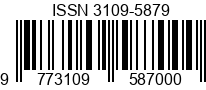
Harnessing ELT Innovations and Technology to Elevate English Language Teaching and Learning in Islamic School
DOI:
https://doi.org/10.15575/educater.v2i2.2296Keywords:
English Learning, English Teacher, Innovation, TechnologyAbstract
This article aims to enhance teachers' use of innovation and technology in the learning and teaching process and to motivate students to be wise in their use of technology. At this time, technology continues to evolve; however, as teachers, we must keep up with the times in education. Learning that relies on textbooks and blackboards is starting to be left behind, as we need to adapt education to the technology that has developed today. This adaptation includes incorporating values of religion, such as respect, responsibility, and moderation so that children are not only skilled in using technology but also wise in its application. This article discusses the innovations and technologies used in teaching and learning English that are widely employed by teachers, as well as the challenges they face when implementing them in the classroom. Additionally, the article addresses how students can wisely utilize technology. In conclusion, the use of ELT Innovations and Technology can elevate ELT and the learning process.
References
Ahmad, J. (2016). “Technology-Assisted Language Learning: A Methodology for Today’s Learner.” Procedia - Social and Behavioral Sciences, 232, 111-118.
Akmal, S., Fitriah, F., & Fadhilah, I. (2022). The challenges and strategies of Islamic school mentor teachers in implementing ELT lesson plans. Studies in English Language and Education, 9(3), 926-947.
Amalia, D. F. (2020). Quizizz Website as an Online Assessment for English Teaching and Learning: Students’ Perspectives. Jo-ELT (Journal of English Language Teaching) Fakultas Pendidikan Bahasa & Seni Prodi Pendidikan Bahasa Inggris IKIP, 7(1), 1. https://doi.org/10.33394/jo-elt.v7i1.2638
Azaliah Mar, N. (2024). Integration of Technology and Islamic Education in the Digital Era: Challenges, Opportunities and Strategies. Journal of Scientific Insight, 1(1), 01–08. https://journal.scitechgrup.com/index.php/jsi
Başar, T., & Şahin, L. (2022). Technology integration in teaching English as a foreign language: A content analysis study. Journal of Educational Technology and Online Learning, 5(1), 204–222. https://doi.org/10.31681/jetol.972577
Bhatia, T. K., & Ritchie, W. C. (2013). The Handbook of Bilingualism and Multilingualism. Wiley-Blackwell.
Dang, Q. (2019). The Role of Peer Relationships in Language Learners’ Development: A Constructivist Perspective. Asia-Pacific Conference on Advance in Education, Learning and Teaching (ACAELT 2019). https://doi.org/10.25236/acaelt.2019.017
Chapelle, C. A., & Sauro, S. (2017). The Handbook of Technology and Second Language Teaching and Learning. Wiley-Blackwell.
Hajri, M. F. (2023). Pendidikan Islam di era digital: Tantangan dan peluang pada abad 21. Jurnal Studi Islam dan Humaniora Al-Mikraj, 4(1), 33-41. https://doi.org/10.37680/almikraj.v4i1.3006
Haleem, A., Javaid, M., Qadri, M. A., & Suman, R. (2022). Understanding the role of digital technologies in education: A review. Sustainable Operations and Computers, 3, 275–285. https://doi.org/10.1016/j.susoc.2022.05.004
Herlina, E., Yundayani, A., & Astuti, S. (2021). Penggunaan Duolingo sebagai media pembelajaran berbasis teknologi dalam meningkatkan keterampilan berbicara siswa. Prosiding Seminar Nasional Pendidikan STKIP Kusuma Negara III (SEMNARA), BING 037. e-ISSN 2761-0157.
Higgins, S., Xiao, Z., & Katsipataki, M. (2012). The Impact of Digital Technology on Learning: A Summary for the Education Endowment Foundation.
Irawan, R., & Surjono, H. D. (2018). Pengembangan e-learning berbasis Moodle dalam peningkatkan pemahaman lagu pada pembelajaran bahasa Inggris. Jurnal Inovasi Teknologi Pendidikan, 5(1), 1-11. Retrieved from http://journal.uny.ac.id/index.php/jitp
Jihan, Ismaya, B., Kurdi, M. S., Sudarwati, N., & Kurdi, M. S. (2023). Permasalahan dan tantangan pendidikan Islam modern di tengah era digitalisasi. Edukasi Islami: Jurnal Pendidikan Islam, 12(3). https://doi.org/10.30868/ei.v12i03.4472
Mas, W., & Muzakki Hakim, A. (2023). Islamic Education in The Era of Digitalization 5.0. In Society and Humanity (Vol. 01, Issue 01).
Meliani, F., Sobron Muhyiddin, D., Ruswandi, U., Arifin, B. S., & Suzana, S. (2022). Challenges of Using Technology in Islamic Religious Education Learning (Application of Flipped-Classroom in Class X PAI Subjects at SMA Plus Pagelaran Subang). Edukasi Islami: Jurnal Pendidikan Islam, 11(001), 41–57.
Mousavi, S. A., & Amin, F. (2018). “Integrating Technology in English Language Teaching: A Case Study of Iranian Schools.” Journal of Language Teaching and Research, 9(6), 1306-1312.
Moses Adeleke Adeoye, & Olaolu Paul Akinnubi. (2023). Integrating Interactive Learning Technologies into Traditional Teaching Methods for Private Higher Education Institutions. Formosa Journal of Computer and Information Science, 2(2), 223–234. https://doi.org/10.55927/fjcis.v2i2.4113
Nandang, A., Behesyti, S. H., & Nugraha, D. (2024). The Use of Augmented Reality (AR) Technology to Improve Students’ Arabic Vocabulary Comprehension and Pronunciation at Madrasah Aliyah. Tadris Al-’Arabiyyah: Jurnal Pendidikan Bahasa Arab Dan Kebahasaaraban, 3(2), 274–291. https://doi.org/10.15575/ta.v3i2.39432
Nugraha, D., Husni, F. A. N., Ruhendi, A., & Suhartini, A. (2025). Evaluation The Development Of Diversity Students Elementary School. 1(1).
Ndibalema, P., & Mrosso, V. (2024). Teachers’ Perceptions on the Role and Challenges of Using ICT in English Language Classrooms. International Journal of Technology in Education and Science, 8(1), 121–137. https://doi.org/10.46328/ijtes.527
Nurmalisa, Y., Sunyono, S., Yulianti, D., & Sinaga, R. M. (2023). An Integrative Review: Application of Digital Learning Media to Developing Learning Styles Preference. International Journal of Information and Education Technology, 13(1), 187–194. https://doi.org/10.18178/ijiet.2023.13.1.1795
Octaberlina, L. R. (2024). Exploring the use of digital technology in English language teaching: Strategies and methods for effective implementation. English Franca: Academic Journal of English Language and Education, 7(1). https://doi.org/10.29240/ef.v7i1.6977
Paramita, P. D. Y. (2023). Penggunaan teknologi dalam pembelajaran bahasa Inggris: Studi kasus implementasi aplikasi e-learning. EDUKASIA: Jurnal Pendidikan dan Pembelajaran, 4(2), 1799-1804.
Park, M., & Son, J.-B. (2009). “Implementing Computer-Assisted Language Learning in the EFL Classroom: Teachers' Perceptions and Perspectives.” International Journal of Pedagogies and Learning, 5(2), 80-101.
Pertiwi, A. P. (2020). Using The Quizizz as an Assessment of Students’ English Learning. Journal of English Teaching, Applied Linguistics and Literatures (JETALL), 3, 2020.
Poudel, A. P. (2022). Information and Communication TechnologY in English Language Teaching: Some Opportunities and Challenges. Journal of Comparative & International Higher Education, 14(4). https://doi.org/10.32674/jcihe.v14i4.3874
Rachmijati, C. (2018). Penggunaan Internet sebagai Optimalisasi Media Pembelajaran Bahasa Inggris. Jurnal Pengabdian Kepada Masyarakat (Abdimas) IKIP Siliwangi, 1(2), 61-73. Retrieved from https://ejournal.ikipsiliwangi.ac.id [7†source].
Rusdi, M., Riwayatiningsih, R., Taufik, H., & Djollong, A. F. (2023). The Impact of Technology Use in Teaching and Understanding Religious Values on Students’ Moral Development in Islamic Schools in Indonesia Article Info ABSTRACT. The ES Learning and Educations, 01(03), 123–134. https://doi.org/10.58812/esle.v1i03
Salsabila, U.H., & Agustian, N. (2021). Peran Teknologi Pendidikan dalam Pembelajaran. Islamika: Jurnal Keislaman dan Ilmu Pendidikan, 3(1), 123-133. Retrieved from https://ejournal.stitpn.ac.id.
Sappaile, B. I., Donna, E., Lasinggaru, F., & Mokodenseho, S. (2023). Analyzing the Influence of Digital Learning Platforms on Student Engagement and Academic Performance. In West Science Interdisciplinary Studies (Vol. 1, Issue 06).
Sari, S. P., & Bermuli, J. E. (2021). Pembentukan Karakter Tanggung Jawab Siswa pada Pembelajaran Daring Melalui Implementasi Pendidikan Karakter. Jurnal Kependidikan: Jurnal Hasil Penelitian Dan Kajian Kepustakaan Di Bidang Pendidikan, Pengajaran Dan Pembelajaran, 7(1), 110. https://doi.org/10.33394/jk.v7i1.3150
Sulaeman, D., Fadillah, E. N., Ridwan, T., Santika, R., Salsabila, I. N., & Setiawan, D. (2024). EFL learners' attitudes on the use of ICT-based learning as efforts in improving English language achievement. JOLLT Journal of Languages and Language Teaching, 12(3), 1573-1583. https://doi.org/10.33394/jollt.v12i3.11388
Sulaiman, M., Rukhmana, T., Irawan, M., Muhammadong, G., Al Haddar, G., & Supriyanto, A. (2024). Analisis Penerapan Teknologi dalam Pembelajaran Pendidikan Agama Islam. Journal on Education, 6(2), 14626-14631. Retrieved from http://jonedu.org.
Surjono, H. D. (2015). The Effects of Multimedia and Learning Style on Student Achievement in Online Electronics Course. In TOJET: The Turkish Online Journal of Educational Technology (Vol. 14, Issue 1).
Suwahyu, I. (2024). Peran inovasi teknologi dalam transformasi pendidikan Islam di era digital. Referensi Islamika: Jurnal Studi Islam, 2(2).
Tavares, V. (2019). A review of peer interaction and second language learning for ELL students in academic contexts. Canadian Journal for New Scholars in Education, Volume 10, Issue 2.
Wibawa Karya Guna, B., Endah Yuwantiningrum, S., & Dzihab Aminudin, M. S. (2024). Building Morality and Ethics Through Islamic Religious Education In Schools. International Journal Of Graduated Of Islamic Education, Vol. 5 No 1.
Downloads
Published
How to Cite
Issue
Section
Citation Check
License
Copyright (c) 2025 Faisal Anwar Husain, Nadia Fakhrunnisa Almumtazah

This work is licensed under a Creative Commons Attribution-ShareAlike 4.0 International License.